

The DRC Ebola outbreak is putting displaced families at severe risk, with eastern DRC at the centre of the emergency.

WHO has declared the latest outbreak of Ebola in the DRC and Uganda a public health emergency of international concern.
Eastern DRC is extremely vulnerable due to ongoing conflict and instability. Fighting has intensified in recent months, displacing thousands of families and hampering life-saving health operations.
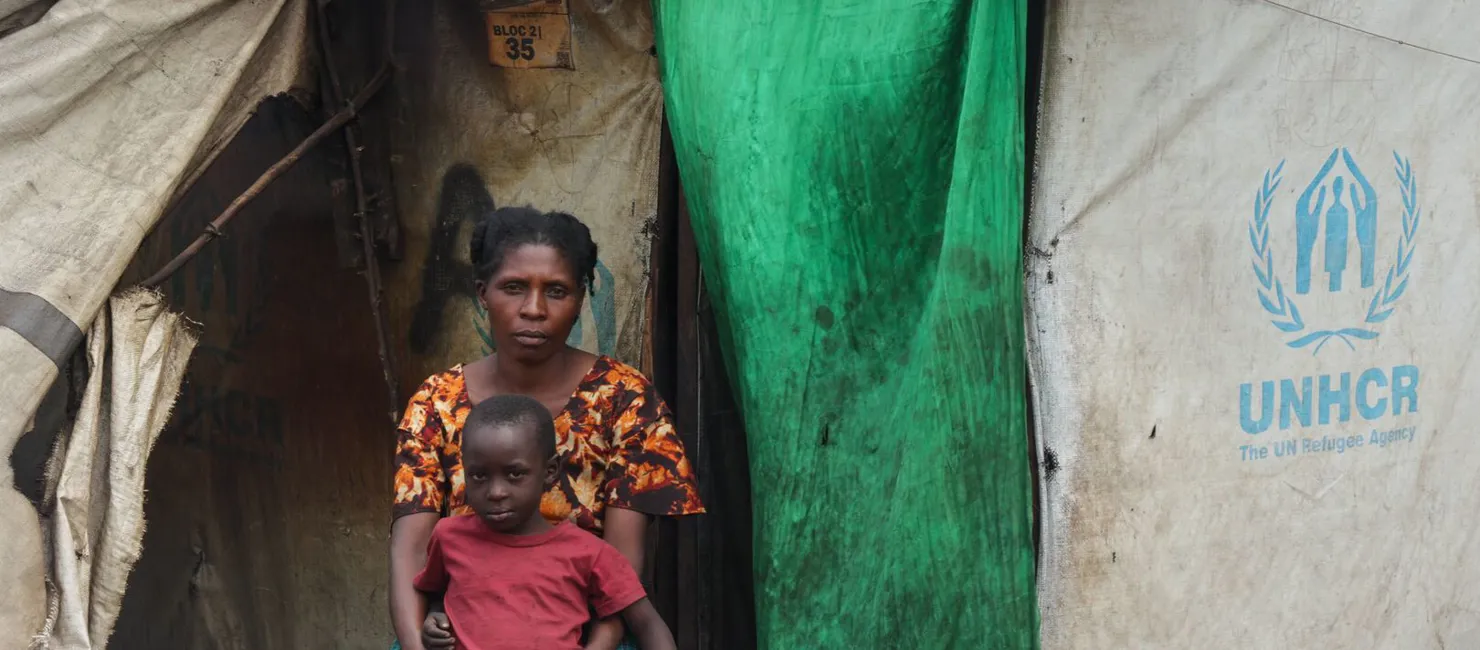
In addition to internally displaced Congolese, the affected regions host a number of refugees, especially from South Sudan. After fleeing violence and disaster, they now face a deadly virus.
Cuts to international aid have had a severe impact in the DRC, with a shortage of essential prevention supplies such as soap and masks.
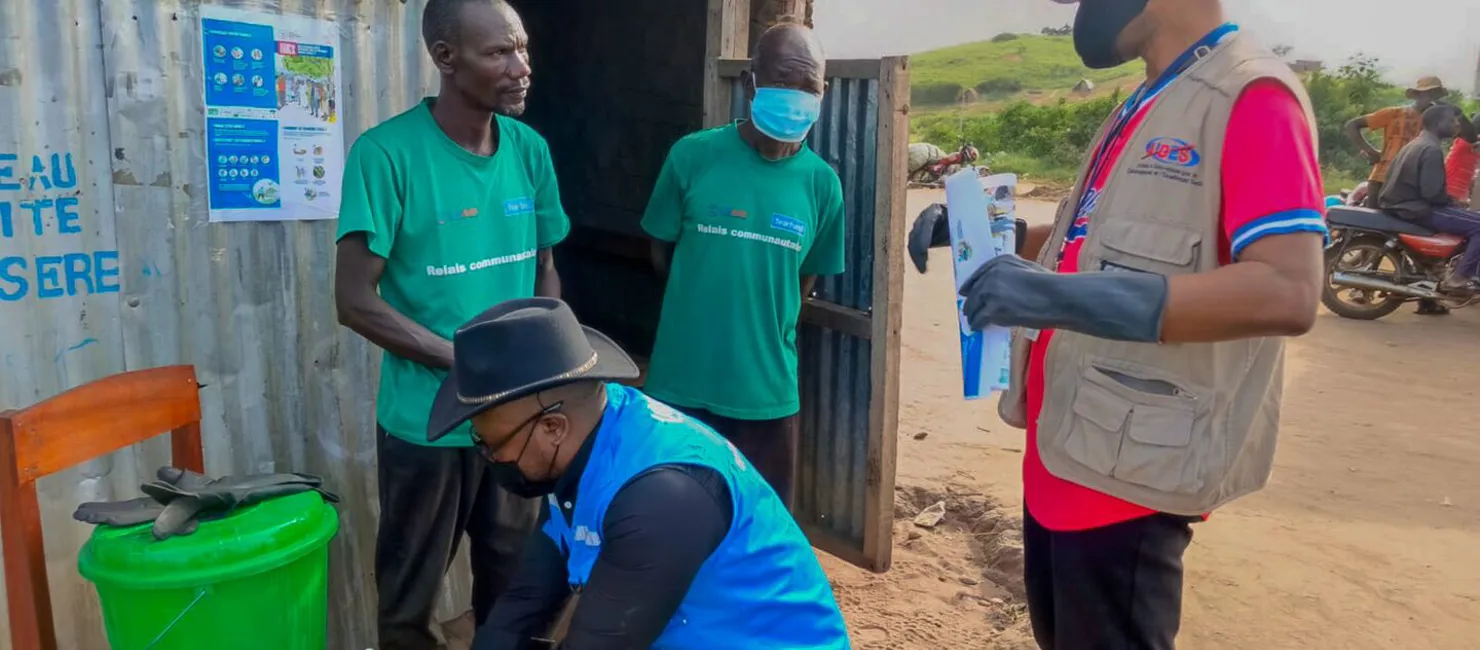
With support from donors, UNHCR is responding as quickly as possible. In the DRC, teams are conducting community awareness sessions, distributing soap, masks and hand sanitiser, and installing handwashing stations.
UNHCR is also working in Uganda to scale up infection prevention and control in camps and settlements.
After surviving horrific violence, refugee and displaced families are now facing the deadly Ebola virus. Please give generously.
Your donation in action
Your support can help save lives and prevent a wider humanitarian crisis.
Your generous gift today can improve sanitation facilities such as handwashing stations in camps and settlements. Your gift can also deliver essential protective hygiene supplies such as soap, masks and hand sanitiser, helping to reduce the spread of this deadly disease.
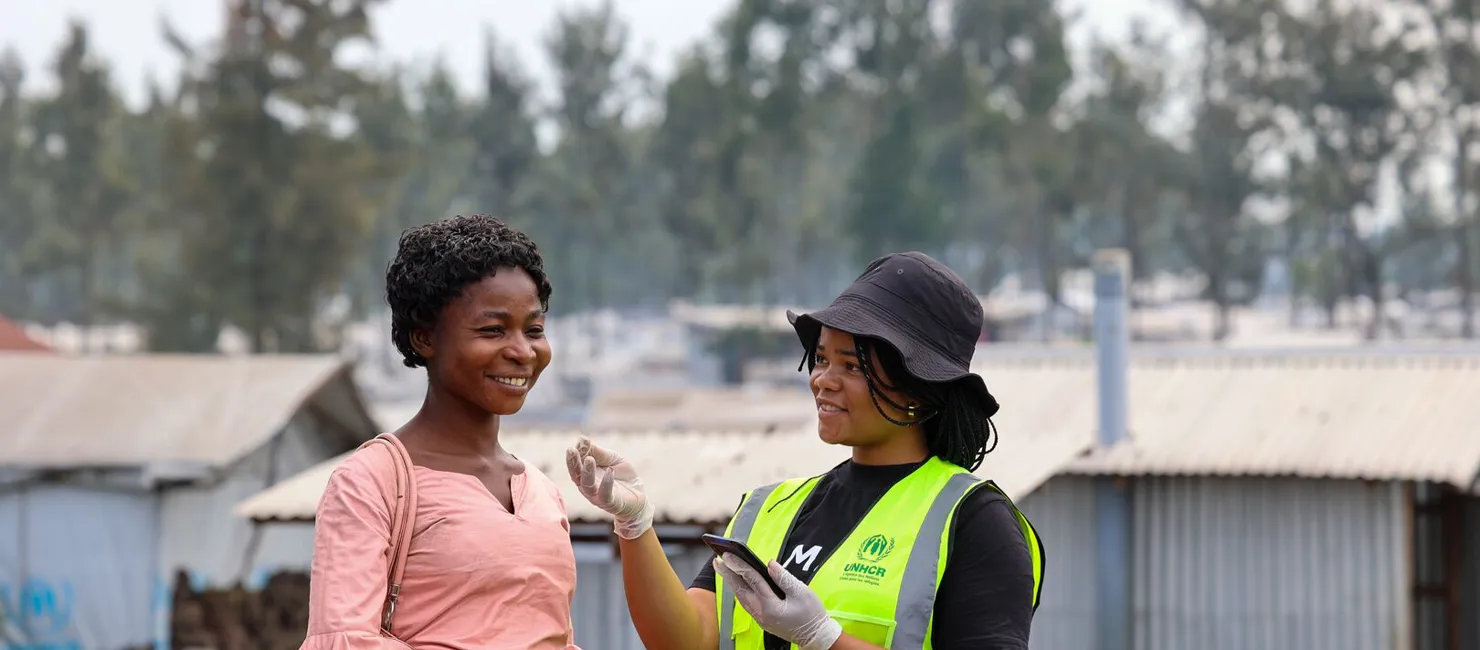
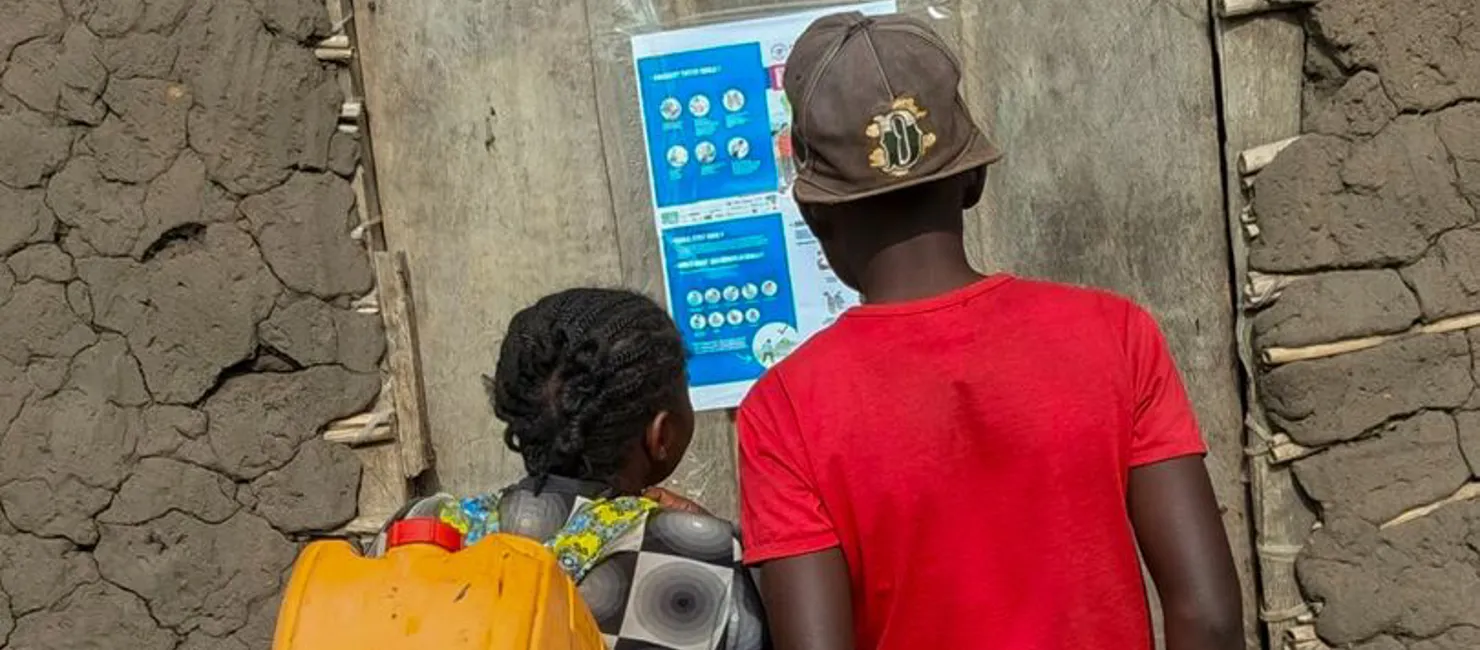
Your gift can help educate vulnerable communities about Ebola and how to protect themselves from the virus.
Your gift can improve sanitation in camps and settlements by installing more handwashing stations.
Your gift can provide vital hygiene supplies such as soap, hand sanitiser and face masks, helping people protect themselves.
Ebola Emergency FAQs
What difference will a donation make?

Your donation can help UNHCR educate displaced communities about the risk of Ebola and promote good hygiene and sanitation practices, helping people protect themselves. Your gift can also help UNHCR improve sanitation facilities in settlements and deliver vital hygiene supplies like soap to families in need.
How is UNHCR responding?
UNHCR teams are working rapidly to help contain the virus by educating displaced communities in DRC about Ebola, installing or upgrading sanitation facilities in settlements, and distributing hygiene supplies such as soap and masks. UNHCR is also coordinating with the Africa Centres for Disease Control and Prevention (Africa CDC), ministries of health and other partners on the emergency response to the outbreak.
Why are refugees and displaced people particularly vulnerable?
After being forced to flee, many refugees and displaced people in the DRC and Uganda are at high risk because they are living in crowded conditions such as temporary settlements, with limited access to hygiene or sanitation facilities. This dramatically increases the risk of transmission. The affected provinces in eastern DRC have also endured armed conflict, which has weakened the healthcare system.
Is there a vaccine?
No. Unlike previous Ebola outbreaks, this has been caused by the Bundibugyo strain of the virus. There is no approved vaccine or treatment. WHO has convened its expert and advisory groups to assess potential vaccines and treatments for the Bundibugyo strain.
What is Ebola?
Ebola is a severe, often fatal illness affecting humans and primates.
It is an infectious viral haemorrhagic fever, transmitted to humans through direct contact with bodily fluids of infected animals. Human-to-human transmission occurs through close contact with the bodily fluids of infected individuals.
Symptoms can be varied and typically set in between two and 21 days after infection. Initial symptoms include fever, fatigue, muscle pain, headache and sore throat.
What is the current situation in the DRC?
There is a fast-spreading Ebola outbreak in the Democratic Republic of the Congo (DRC), with more than 900 suspected cases and 200 deaths as of 28 May.
The outbreak is affecting Ituri and North Kivu provinces, which host two million displaced people. Most are Congolese who have been internally displaced by conflict and violence. Others are refugees from countries including South Sudan and Burundi.
Uganda also has a number of confirmed cases of the virus.
The World Health Organization (WHO) has declared the outbreak a public health emergency of international concern.
What response measures are underway?
Since the declaration of the outbreak on 15 May 2026, authorities have taken a number of measures including laboratory testing, disease surveillance, infection prevention and control, community engagement and resource mobilisation.
Unfortunately, control of the outbreak is complicated by the dire humanitarian emergency inside the DRC, particularly in the affected areas in the country’s east. For example, in Ituri province 1.2 million people are in need of aid.
What are the countries affected by the disease outbreak?
Ebola has been confirmed in the Democratic Republic of the Congo and Uganda.
In the DRC, transmission is concentrated in Ituri, North Kivu and South Kivu provinces.
Does the DRC still have Ebola?
Yes. An Ebola outbreak was confirmed in the DRC and Uganda in May 2026. This is the Bundibugyo strain of the virus, for which there is no approved vaccine.
Has there been a previous major outbreak of Ebola in Africa?
Yes. West Africa was affected by an Ebola disease outbreak in 2014 – 2016. It was the largest outbreak since the virus was first discovered. This outbreak affected Guinea, Sierra Leone and Liberia, as well as a number of other countries. This outbreak was caused by the Zaire strain of the Ebola virus.
Has there been an outbreak of Ebola in the DRC in the past?
Yes. The current outbreak is the seventeenth time the DRC has faced Ebola since the virus was first discovered in 1976. The largest outbreak was from 2018 – 2020, when the virus spread across Ituri, North Kivu and South Kivu. As with the current outbreak, it unfolded in areas already affected by conflict and displacement.
How many people have died from this outbreak?
There are more than 900 suspected cases of Ebola and over 200 deaths as of 28 May 2026.
Page last updated: 1 June 2026
This is an active emergency. Information on this page will be updated as the situation evolves.

Our fundraising impact
The majority of funds raised by Aotearoa New Zealand for UNHCR are directed to UNHCR’s emergency operations, providing the ready funds and resources to respond quickly and effectively in situations of crisis and disaster.